Imagine stepping outside with a coffee and catching the sunrise over the Atlantic, then strolling the boardwalk as the day wakes up. If you’re considering a move near the water in Deerfield Beach, you want both the romance of ocean living and the facts that help you buy smart. In this guide, you’ll learn how daily life feels by the beach and Intracoastal, where people live, how boating access works, and what to check for insurance, inspections, and flood risk. Let’s dive in.
The everyday vibe
Deerfield Beach delivers a relaxed, walkable coastal feel that many buyers find more approachable than larger neighboring cities. The one-mile “Blue Wave” beach is the community’s front porch, with lifeguards, clean sand, and an easygoing pace. In winter you’ll notice more visitors and fuller restaurants. Spring and early summer weekdays feel quieter, with most activity centered around the pier and Ocean Way.
For a quick look at current beach conditions, residents often use the city’s visitor hub, which hosts live cameras and updates for the beach and pier. You can scan the morning surf, check the flags, and plan your day before you head out. Explore the city’s official visitor resources on the Deerfield Beach website for real-time context and a handy overview of the waterfront district.
Beach and pier life
The International Fishing Pier anchors daily life on the oceanfront. It draws anglers at dawn, walkers at sunrise, and families throughout the day. The pier recently underwent a multi-phase renovation to improve public amenities. For current details on status and events, review the city’s official pier renovation page.
Beach days are simple here. Ocean Rescue lifeguards staff set hours, and the city posts condition flags. You’ll also find clear beach use rules, including no dogs or alcohol on the public beach and designated surfing zones near the pier. Before you pack a cooler or leash, scan the city’s beach rules and parking information so your day goes smoothly.
Walkability and dining
If you value a car-light lifestyle, the few blocks north and south of the pier make that easy. You can walk to local favorites like The Whale’s Rib and JB’s on the Beach, browse surf shops for sunscreen and towels, and grab a sunset table without getting on the highway. Many residents in beachfront condos or nearby low-rise buildings manage daily errands on foot, by bike, or via short ride-share hops.
Evening walks along Ocean Way are part of the rhythm. You’ll see joggers, strollers, and plenty of people-watching as the light fades. Compared with busier tourist zones, Deerfield’s scale feels personal, friendly, and convenient.
Parks and nature nearby
Waterfront living here extends beyond the sand. Quiet Waters Park, a short drive inland, offers lakeside trails, disc golf, and a cable wake park that is fun to watch or try. For a nature escape, Deerfield Island Park sits in the Intracoastal and is reachable by shuttle from Sullivan Park on scheduled days. For park listings and island shuttle details, start with the city’s visitor and parks resources.
Where you might live
- Oceanfront condos on A1A. These buildings offer direct sand access, ocean views, and shared amenities like pools and fitness rooms. Many were built mid- to late-20th century, with a mix of updated and original features.
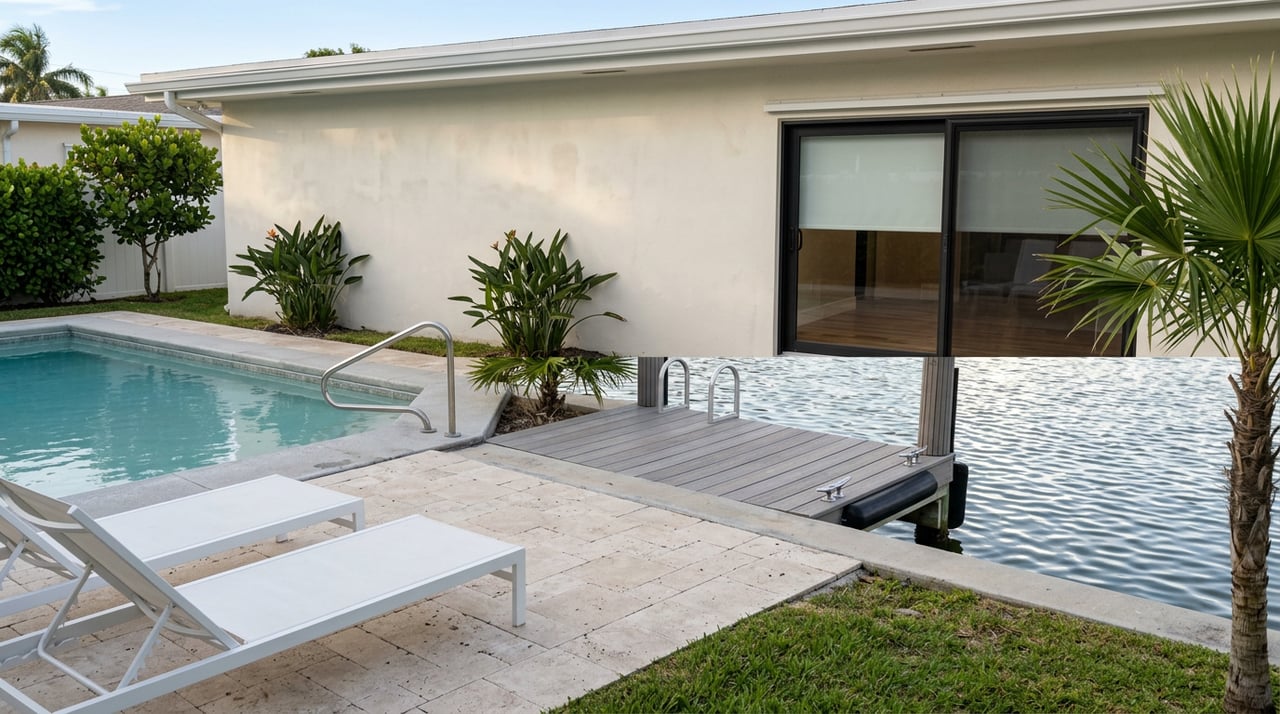
- Intracoastal and canal-front homes and condos. Neighborhoods like The Cove feature deep-water canals, private docks, and quick runs to nearby inlets. If you own a boat or plan to, “no fixed bridges” routes are especially appealing for direct ocean access.
- Low-rise walkable buildings near the pier. If you prefer a simpler footprint and a short stroll to dining and the beach, smaller condo communities a few blocks inland are a good fit.
If you’re considering a condo, ask about recent structural milestone inspections and a Structural Integrity Reserve Study. Florida now requires these for many multi-story buildings, and results can affect budgets and future assessments. Review the state’s guidance to understand timelines and disclosures.
Boating made simple
Deerfield Beach fronts the Atlantic Intracoastal Waterway, and local boaters use nearby inlets for ocean access. Hillsboro Inlet lies to the north and the Boca Raton inlet to the south. Canal homes that advertise “no fixed bridges” let you run straight to open water without height restrictions.
If you do not dock at home, you can look into marina storage, both rack and wet slips. One nearby provider, Mizner Marina, publishes services and contact details for slips and storage. Public ramps and small piers exist, but availability can change with maintenance projects. For example, the city posted a notice about Pioneer Park’s boat ramp and Pier 5 being temporarily closed for replacement work, which shows why you should confirm current access before planning.
Fishing is part of the culture too. The pier’s renovation improved fish-cleaning stations and public amenities that matter to anglers. Around town, you’ll find paddleboard, kayak, and surf rentals to round out your on-the-water days.
Smart buyer checklist
Before you write an offer, use this quick list to focus your due diligence.
- Flood zone and elevation. Check the property on the city’s interactive flood-hazard map and request any available elevation certificates. If a lender requires flood insurance, you will want quotes early.
- Building inspections and reserves. Ask whether the building completed its milestone inspection and Structural Integrity Reserve Study. Request any engineering reports, Phase 2 recommendations, and a summary of planned or approved special assessments.
- Insurance coverage. For condos, review the association’s master policy and any Residential Condominium Building Association Policy. Confirm what your unit policy will need to cover, including interior finishes and contents.
- Boat access details. If a dock or slip is included, confirm size, depth, and bridge clearance to your preferred inlet. If using public ramps or marinas, confirm current status and any waitlists, fees, or seasonal restrictions.
- Beach access and parking. Clarify whether access is private or public and review city parking rules near the pier. Simple planning helps avoid surprises on busy weekends.
For deeper reading, the FEMA flood insurance terminology index and Florida’s DBPR condo FAQ are solid starting points.
Insurance and budgeting basics
Standard homeowners or condo unit policies do not cover flood damage. Flood insurance is separate and can come through FEMA’s National Flood Insurance Program or the private market. Condo associations often carry a building policy while unit owners secure their own interior and contents coverage. Coverage types, limits, and premiums vary, so get quotes early in the purchase.
In coastal Florida, wind and hurricane coverage often includes a special deductible. Review the association’s master policy to learn what is covered on the building envelope and what falls to your unit policy. Your lender and closing team will help you coordinate documents, but it pays to understand the basics so you can budget with confidence.
Maintenance and seasons
Salt air, humidity, and sun are part of waterfront life. Expect more frequent attention to metal fixtures, railings, balcony waterproofing, and exterior concrete. Many associations plan regular painting, impact window service, and pool equipment replacement to keep buildings in good condition.
Hurricane season runs June through November. Most owners install impact glass or maintain shutters, keep a simple supply kit, and have a plan for power or evacuation if needed. The city’s flood information page outlines preparedness steps and links to AlertDFB so you can receive local updates.
Long-term resilience
Broward County continues to model sea-level rise, storm surge, and groundwater conditions as part of a countywide resilience strategy. This planning can guide shoreline projects and help prioritize adaptation funding. If you are buying for the long term, it is wise to understand how the region is investing in resilience and how that may support neighborhood stability over time.
A day in the life
Start with a sunrise walk to the pier as pelicans skim the surface. Grab a seat for breakfast, then meet friends for a mid-morning paddle to Deerfield Island Park. After lunch, swing by Quiet Waters Park to watch riders at the wake park, or cycle Ocean Way before the evening breeze picks up. Finish with an early dinner outside, then listen to the surf from your balcony.
Waterfront living here is not just a view. It is a daily rhythm that blends simple pleasures with easy access to parks, dining, and the open water.
Is Deerfield Beach right for you?
If you want a friendly, walkable waterfront lifestyle with real boating access, Deerfield Beach fits the brief. You get a compact, beach-centered neighborhood, stronger everyday value than ultra-luxury districts, and plenty of nature close by. The practical side matters too, and with the right checks on flood risk, insurance, and building health, you can buy with confidence.
If you are ready to explore oceanfront condos, Intracoastal homes, or a low-maintenance place a short stroll from the sand, connect with a local advisor who lives this market every day. Reach out to Alicia Adams for concierge-level guidance from search to closing.
Explore the city’s visitor info, live beach cameras, and waterfront highlights
Review the International Fishing Pier renovation and updates
Check beach rules, surfing zones, and parking
Use the city’s interactive flood-hazard map
Read Broward County resilience and vulnerability updates
Learn flood insurance terms and coverage basics
Understand Florida condo milestone inspections and SIRS
Find local emergency and flood preparedness info
Explore marina storage and slip services
Verify public ramp and pier status before you go
Ready to tour homes near the water in Deerfield Beach or along the Intracoastal? Connect with Alicia Adams for a tailored search, smart due diligence, and a smooth path to the closing table.
FAQs
What is daily life like near the Deerfield Beach pier?
- Expect sunrise strolls, lifeguarded beach time, casual dining on Ocean Way, and seasonal events centered around the International Fishing Pier.
How does boating access work around Deerfield Beach?
- You can run the Intracoastal to Hillsboro Inlet or Boca Raton’s inlet, with canal homes offering “no fixed bridges” routes and marinas providing rack or wet-slip storage.
What inspections should you ask about for a Deerfield Beach condo?
- Request the building’s milestone inspection, Structural Integrity Reserve Study, any Phase 2 engineering items, reserve details, and information on current or planned assessments.
How do flood zones affect buying near the water in Deerfield Beach?
- Check the city’s flood-hazard map for the property, gather elevation details, and obtain flood insurance quotes early if the home sits in a Special Flood Hazard Area.
What beach rules should you know before visiting Deerfield Beach?
- Dogs and alcohol are not allowed on the public beach, surfing is permitted only in designated zones, and the city posts lifeguard hours, flags, and parking guidance online.
