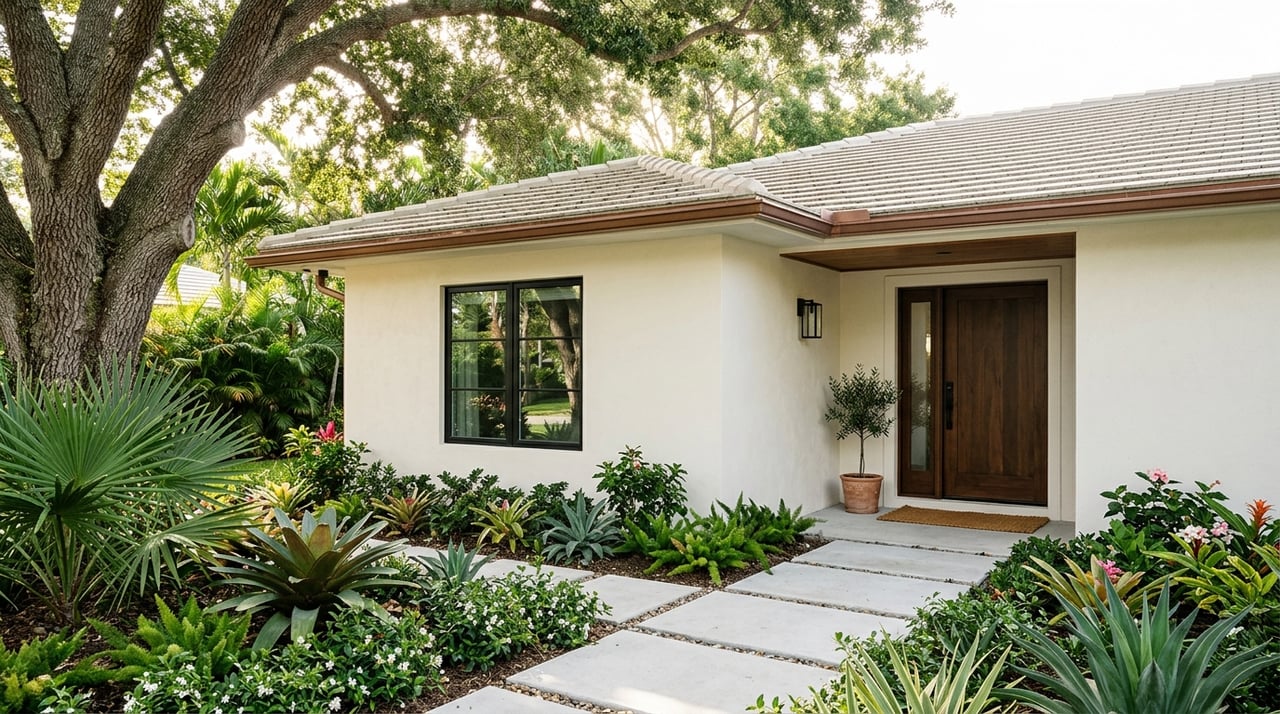
Choosing between a brand-new home and a resale property in Palm Beach County is not as simple as picking your favorite floor plan. Your timeline, negotiation strategy, warranty coverage, association rules, and even future tax bill can look very different depending on which path you choose. If you are weighing both options, this guide will help you compare what matters most so you can move forward with confidence. Let’s dive in.
Why this choice matters in Palm Beach County
New construction is a meaningful part of the local housing pipeline. According to Palm Beach County’s Q1 2025 permit activity report, the county reported 1,198 residential units permitted, including 560 single-family homes and 638 multifamily units. That means buyers across the West Palm Beach, Boca Raton, and Delray Beach areas are often comparing newly built options with established resale homes.
There is also a cost variable many buyers overlook. Palm Beach County notes that impact fee changes are scheduled to take effect January 1, 2026, and those changes affect new construction and additions, based on permit issuance date. If you are considering a new build, timing can influence total costs in ways that do not apply to a typical resale purchase.
What new construction can offer
More design input upfront
One of the biggest draws of new construction is the chance to choose finishes, features, and sometimes layout options before closing. That can be appealing if you want a home that feels more tailored to your style from day one.
Still, customization has limits. In Florida condo pre-sales, developers must make plans, specifications, budgets, bylaws, and other offering documents available for inspection, and contracts may be voidable for a period if those documents are not delivered under Florida Statute 718.503. In HOA communities, exterior changes are still controlled by the governing documents and published guidelines, and denials must be given with written specificity under Florida Statute 720.3035.
Builder timelines are less fixed
With a resale home, you are usually buying something finished and ready to evaluate in real time. With new construction, especially if the home is not yet complete, the closing date may depend on construction progress and can shift.
The Consumer Financial Protection Bureau advises buyers to ask how an upfront builder deposit can be returned and to remember they do not have to use the builder’s preferred lender. That flexibility matters because builder contracts often center more on deposits, delivery timing, included upgrades, and financing options than on repair requests.
Warranty coverage can be a real advantage
New homes often come with warranty protection, but you should understand exactly what is covered and for how long. Under Florida Statute 553.837, builders must warrant newly constructed homes for qualifying construction defects that materially violate the Florida Building Code for one year after original conveyance or initial occupancy, whichever happens first.
The FTC’s guidance on new-home warranties adds useful context. Many builder warranties are limited, often covering workmanship and materials for one year, HVAC, plumbing, and electrical systems for two years, and sometimes major structural defects for up to 10 years. Those warranties may also exclude items like small cracks, moving costs, appliances, or certain cosmetic concerns.
What resale homes can offer
Faster move-in potential
If timing matters, resale often has the edge. Because the home already exists, you can evaluate the actual condition, surroundings, and layout before you commit, and occupancy is often quicker than waiting for a build to finish.
That can be especially helpful if you need to align a move with a job change, school calendar, lease ending, or sale of your current home. Instead of relying on projected completion dates, you are working from a finished product with a more immediate closing path.
More inspection leverage
Resale negotiations usually place much more weight on inspections and contingencies. The CFPB recommends using financing and inspection contingencies so you are not locked into the purchase if financing falls through or the inspection reveals serious issues.
In practical terms, that often gives resale buyers more room to request repairs, negotiate credits, or revisit pricing based on the home’s condition. A home warranty may also be an option on a resale purchase, but the FTC explains that this is a service contract, not the same as a builder warranty, and it generally covers certain appliances and systems rather than structural items.
Established communities may offer more certainty
With a resale home, you are usually buying into a community that is already operating. You can review how the property functions day to day, what the association documents say, and what ongoing costs may apply.
For HOA properties, Florida Statute 720.401 requires a disclosure summary before contract execution, including notice that buyers will owe assessments and may owe special assessments. For condominium resales, Florida law gives buyers rights tied to the delivery of governing documents and certain inspection and reserve study records where applicable.
HOA and condo rules can affect both paths
Newer does not mean unrestricted
Buyers sometimes assume a new home gives them complete freedom to make exterior changes later. In reality, if the home is in an HOA or condo community, the declaration and published rules may still govern visible changes, architectural modifications, and storm-related products.
Florida law also requires HOA boards to adopt hurricane protection specifications. In Palm Beach County, where storm preparation is a practical part of ownership, that means shutters, exterior features, and certain improvements may still need to follow association standards even in a newly built community.
Condo control may differ by phase
If you are looking at a new-construction condo, the association may still be in a developer-controlled phase. In contrast, a resale condo in an established building is often under owner-elected board control.
That difference can shape how decisions are made and what the ownership experience feels like. Under Florida Statute 718.301, unit owners other than the developer gain the right to elect a majority of the board at certain statutory trigger points.
Taxes, insurance, and carrying costs
Property taxes may change after closing
One of the most common surprises for buyers is that the seller’s current tax bill may not match what they will pay. The Palm Beach County Property Appraiser explains that a change in ownership or filing for homestead exemption resets assessed value to market value, so the prior owner’s bill is not always a reliable estimate for you.
If the home will be your permanent Florida residence, you may qualify for a homestead exemption that generally saves about $750 to $1,000 per year. The property must be eligible as of January 1, and the application deadline is March 1.
Flood risk should be part of the comparison
Whether you buy new construction or resale, flood and storm risk should be reviewed carefully in Palm Beach County. The CFPB notes that standard homeowners insurance usually does not cover flooding, flood insurance may be required in designated flood zones, and a new owner may pay a different premium than the current owner.
This is one area where a side-by-side comparison matters. A newer home may have features that affect insurance differently, while an older property may have a longer claims or maintenance history to evaluate. Either way, you want the full picture before you close.
New construction vs resale at a glance
| Factor | New Construction | Resale Home |
|---|---|---|
| Timeline | May involve build delays or shifting completion dates | Usually more predictable and often faster |
| Customization | More choices before closing, within builder and HOA rules | Limited upfront customization, but you see the actual home |
| Negotiation focus | Deposits, upgrades, contract terms, lender options | Inspections, repairs, credits, and pricing |
| Warranty coverage | Builder warranty and Florida statutory protections may apply | Optional home warranty may be available at extra cost |
| Association phase | May be in a newer or developer-controlled community | Often in a more established operating structure |
| Tax comparison | Future taxes still need review after closing | Seller tax bill may also reset for the buyer |
Which option fits your goals?
New construction may be the better fit if you want newer finishes, more personalization, and builder warranty coverage, and you are comfortable with a more builder-driven contract process. It can also appeal to buyers who do not mind waiting for completion in exchange for a more current product.
Resale may make more sense if you want a specific location, a quicker move, or more leverage through inspections and repair negotiations. It can also be a strong fit when you want to evaluate the actual home and community as they exist today.
The right answer depends on your priorities, not just the age of the property. If you want help comparing contracts, association documents, timelines, and the real cost of ownership in Palm Beach County, Alicia Adams can guide you through the details with a high-touch, practical approach.
FAQs
What are the main differences between new construction and resale homes in Palm Beach County?
- New construction often offers more customization and builder warranty coverage, while resale homes usually offer faster occupancy and more inspection-based negotiation leverage.
Do new construction homes in Palm Beach County come with warranties?
- Usually yes. Florida law provides a one-year statutory warranty for qualifying construction defects, and many builders also offer limited written warranties with separate coverage periods for systems and structural items.
Can you negotiate more on a resale home than a new construction home?
- In many cases, yes. Resale negotiations often center on inspections, repairs, and credits, while new construction negotiations tend to focus more on deposits, upgrades, lender choices, and contract terms.
Why might property taxes change after buying a Palm Beach County home?
- A change in ownership can reset the assessed value to market value, and homestead exemption timing can also affect the final tax amount.
Do HOA and condo documents matter for both new and resale homes in Palm Beach County?
- Yes. Florida law gives buyers important disclosure and document-review rights, and those documents can affect assessments, exterior changes, association rules, and your ability to void a contract in certain situations.
Should flood insurance be part of the new construction versus resale comparison in Palm Beach County?
- Yes. Standard homeowners insurance usually does not cover flooding, and flood insurance requirements and premiums can differ from one property to another, even within the same market.
