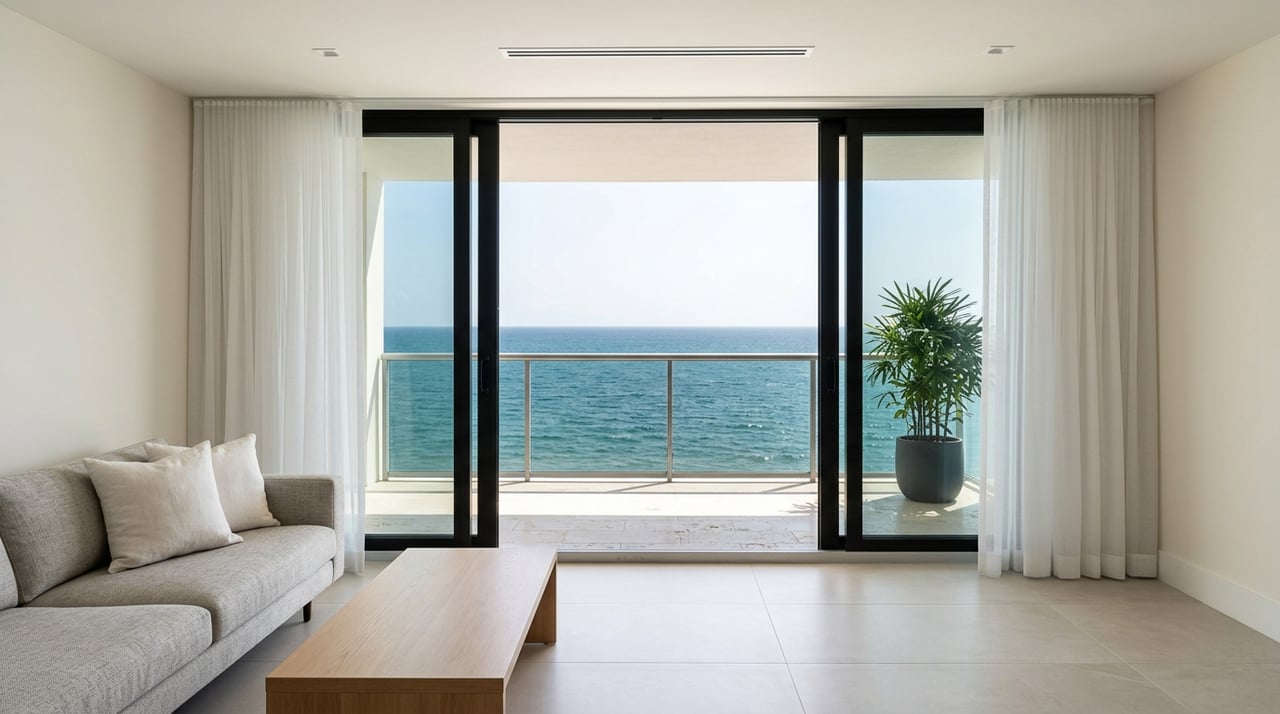
Buying an oceanfront condo in Highland Beach can feel like a dream move, but it also calls for more homework than many buyers expect. Between coastal exposure, flood-zone questions, building inspections, and association rules, the details matter just as much as the view. If you want to buy with confidence, this guide will help you focus on the issues that can shape your costs, use of the property, and long-term peace of mind. Let’s dive in.
Why Highland Beach Condos Need Extra Review
Highland Beach sits on a narrow barrier island between the Atlantic Ocean and the Intracoastal Waterway. That setting is part of the appeal, but it also means oceanfront buildings face ongoing exposure to salt air, wind, moisture, and shoreline conditions.
The town’s coastal planning includes beach and dune restoration priorities, which is a reminder that shoreline work and coastal conditions can affect nearby buildings and associations. For you as a buyer, that makes location-specific due diligence especially important before you commit.
Flood risk is another key factor. Palm Beach County states that all county residents live in a flood zone, and updated FEMA mapping added thousands of additional eastern-county residents to high-risk flood zones as of December 20, 2024. The county also notes that windstorm insurance does not cover flood damage, so you should verify the flood zone for the specific building and ask whether an elevation certificate is available.
There is also a local rule that can affect everyday condo living. Highland Beach asks residents to turn off beachfront lighting from March 1 through October 31 to protect nesting sea turtles. If you are comparing buildings, it is smart to ask how the association handles balcony lighting, exterior fixtures, and window-treatment rules during that period.
Focus on Building Condition First
In an oceanfront condo purchase, the building’s condition often matters as much as the unit itself. Florida law places responsibility for common-element maintenance on the association, with some limited-common-element duties assigned by the declaration.
That matters because the parts of the building that take the most abuse from the coastal environment are often shared components. Roofs, waterproofing, exterior paint, windows, and doors can all face more wear in oceanfront settings, so you want to understand both current condition and future repair plans.
Ask About Milestone Inspections
Florida requires milestone inspections for buildings that are three habitable stories or higher. The default state trigger is when a building reaches 30 years old, but local enforcement can require them at 25 years when local conditions, including proximity to salt water, justify it.
Highland Beach reflects that stricter coastal posture in its own building materials. The town requires recertification for 25-year-old threshold and association buildings, with repeat recertification every 10 years and every 7 years after age 40. As a buyer, you should ask whether the building has completed both the applicable state milestone inspection and any required Highland Beach recertification.
Review the Structural Reserve Study
For buildings that are three habitable stories or higher, Florida also requires a Structural Integrity Reserve Study, or SIRS, every 10 years. The study covers major components such as the roof, structural system, fireproofing and fire protection, plumbing, electrical, waterproofing and exterior painting, and windows and exterior doors.
This is not just a technical report for the board. It is meant to guide future funding for major repairs and replacements, which can directly affect your monthly ownership costs.
Confirm Whether Repairs Are Finished
Inspection and reserve reports are only part of the story. You should also ask what repairs were recommended, what has already been completed, and what still remains pending.
Florida treats these reports as official association records, and structural studies and inspection reports must be retained for 15 years. That means the latest reports and inspection history should be part of your review process, not something you have to accept on faith.
Condo Documents Matter More Than the Listing
A beautiful showing can only tell you so much. In a Highland Beach oceanfront condo, the declaration, bylaws, rules, financials, and inspection disclosures often tell you far more about how the property will function after closing.
Florida requires sellers to provide key condominium documents, including the declaration, articles, bylaws, rules, annual financial statement and budget, and the FAQ sheet. If applicable, the seller must also provide the milestone-inspection summary, the most recent SIRS, and any turnover inspection report.
Check What the Rules Actually Allow
Before you buy, review the rules for:
- Pets
- Rentals
- Parking
- Storage
- Exterior lighting
- Window and door changes
- Hurricane protection requirements
This step is especially important in oceanfront buildings, where associations often closely control windows, doors, shutters, railings, and other exterior-facing elements. Florida law allows boards to adopt hurricane-protection specifications and standards for factors such as color and style.
Verify Amenity Rights
Do not assume every advertised amenity automatically comes with your unit in the same way. Florida law allows associations to obtain use rights in facilities such as marinas, golf courses, country clubs, and other recreational amenities, and those rights can vary based on how they were created.
For a Highland Beach buyer, the practical question is simple: what rights does your unit actually receive? If beach access, a pool, fitness area, garage parking, dockage, marina access, or club privileges matter to you, confirm whether they are deeded, leased, or simply allowed by current policy.
Budget Beyond the Monthly Fee
One of the biggest mistakes buyers make is focusing only on the listed monthly condo fee. In oceanfront buildings, your true cost picture may also include reserve funding, insurance exposure, and the possibility of special assessments.
Florida condo budgets must include operating costs plus reserve accounts for capital expenditures and deferred maintenance. If the association is required to obtain a SIRS, reserve amounts for covered items must generally be based on the latest study findings and recommendations.
For budgets adopted on or after December 31, 2024, unit-owner-controlled associations that must obtain a SIRS generally may not vote to provide no reserves or lower reserves than required for SIRS items, except in certain approved multicondominium situations. In practical terms, that can make fees more realistic, but not always lower.
Understand Insurance Costs
Florida requires associations to carry adequate property insurance and to update replacement-cost determinations at least every three years. The association also sets deductibles based on industry standards, available funds, and assessment authority.
In many cases, property-loss deductibles and damages above coverage are treated as a common expense of the condominium, subject to statutory exceptions. That is one reason financially strong associations and clear reserve planning matter so much in coastal buildings.
You should also remember that homeowners insurance does not cover flood damage, and Palm Beach County separately notes that windstorm insurance does not cover flood damage either. For an oceanfront condo, you may need to budget for your own unit-owner policy, flood insurance if required or prudent, and any deductible exposure that could apply after a storm.
Watch for Special Assessment Risk
A low monthly fee is not always a bargain. If reserves are weak, inspections identify major repairs, or insurance costs rise sharply, the shortfall can show up later as a special assessment.
Ask whether the association has any current or planned special assessments, reserve shortfalls, loans, or lines of credit. You should also review recent board minutes and the current budget to see whether major work is being discussed.
Your Highland Beach Buyer Checklist
When you are serious about a condo, keep your review practical and focused. These are some of the most important questions to ask before making an offer:
- Has the building completed the required state milestone inspection?
- Has the building completed any required Highland Beach recertification?
- Has the association completed the required SIRS, if applicable?
- What repairs were recommended in any report?
- Which repairs are complete, and which are still pending?
- What does the monthly fee cover?
- How much of the budget goes to reserves, insurance, exterior maintenance, staffing, and amenities?
- Are there current or planned special assessments?
- Are there reserve shortfalls, loans, or lines of credit?
- Are impact windows or hurricane shutters owner or association responsibility?
- What are the pet, rental, parking, storage, and lighting rules?
- Which amenities are deeded, leased, or policy-based?
Documents to Request Before You Commit
You should confirm that your review package includes the core condominium documents and the most recent building and financial records. At a minimum, ask for:
- Declaration
- Articles and bylaws
- Rules and regulations
- Annual budget
- Year-end financial statement
- Current FAQ sheet
- Latest SIRS
- Milestone-inspection summary, if applicable
- Turnover inspection report, if applicable
- Insurance declarations and deductible information
- Reserve information
- Contracts for major services
- Recent board meeting minutes
- Permits or inspection reports tied to planned repairs or renovations
Palm Beach County also recommends confirming flood-zone information and any elevation certificate with an official determination before purchase. That step can help you understand both risk and future insurance planning.
Build the Right Team Early
Oceanfront condo purchases often involve several layers of review at once. You may be evaluating the unit, the building, the association’s financial health, flood exposure, insurance questions, and planned repairs all in the same transaction.
That is why many buyers are best served by working with a real estate attorney, a condominium-savvy inspector or engineer, and an insurance professional who can compare the association’s master policy with your unit policy before the contract becomes final. A careful, coordinated review can help you avoid surprises after closing.
If you are comparing Highland Beach oceanfront condos and want a clear, high-touch buying strategy, Alicia Adams can help you evaluate the building, documents, and cost picture with the local insight and hands-on coordination that luxury waterfront purchases demand.
FAQs
What should you review before buying a Highland Beach oceanfront condo?
- You should review the condo documents, current budget, financial statements, rules, insurance information, flood-zone details, milestone-inspection history, and the latest structural reserve study if the building is subject to that requirement.
Why do Highland Beach oceanfront condos need more due diligence?
- Highland Beach oceanfront condos face added coastal exposure, flood-risk considerations, shoreline-related conditions, and stricter building review issues that can affect maintenance, insurance, and future repair costs.
What is a Structural Integrity Reserve Study for a Florida condo?
- A Structural Integrity Reserve Study is a required study for certain buildings that reviews major components such as the roof, structure, waterproofing, plumbing, electrical systems, windows, and exterior doors to help guide reserve funding for future repairs and replacements.
What condo rules should you check in a Highland Beach oceanfront building?
- You should check rules for pets, rentals, parking, storage, exterior lighting, hurricane protection, and any limits on windows, doors, shutters, balconies, or other exterior-facing features.
What costs should you budget for with a Highland Beach oceanfront condo?
- You should budget for the monthly condo fee, reserve contributions built into that fee, your unit-owner insurance policy, possible flood insurance, and the potential for special assessments or deductible exposure after a storm.
What flood questions should you ask when buying a condo in Highland Beach?
- You should verify the property’s flood zone, ask whether an elevation certificate is available, and understand that windstorm coverage does not cover flood damage, which can affect your insurance planning.
